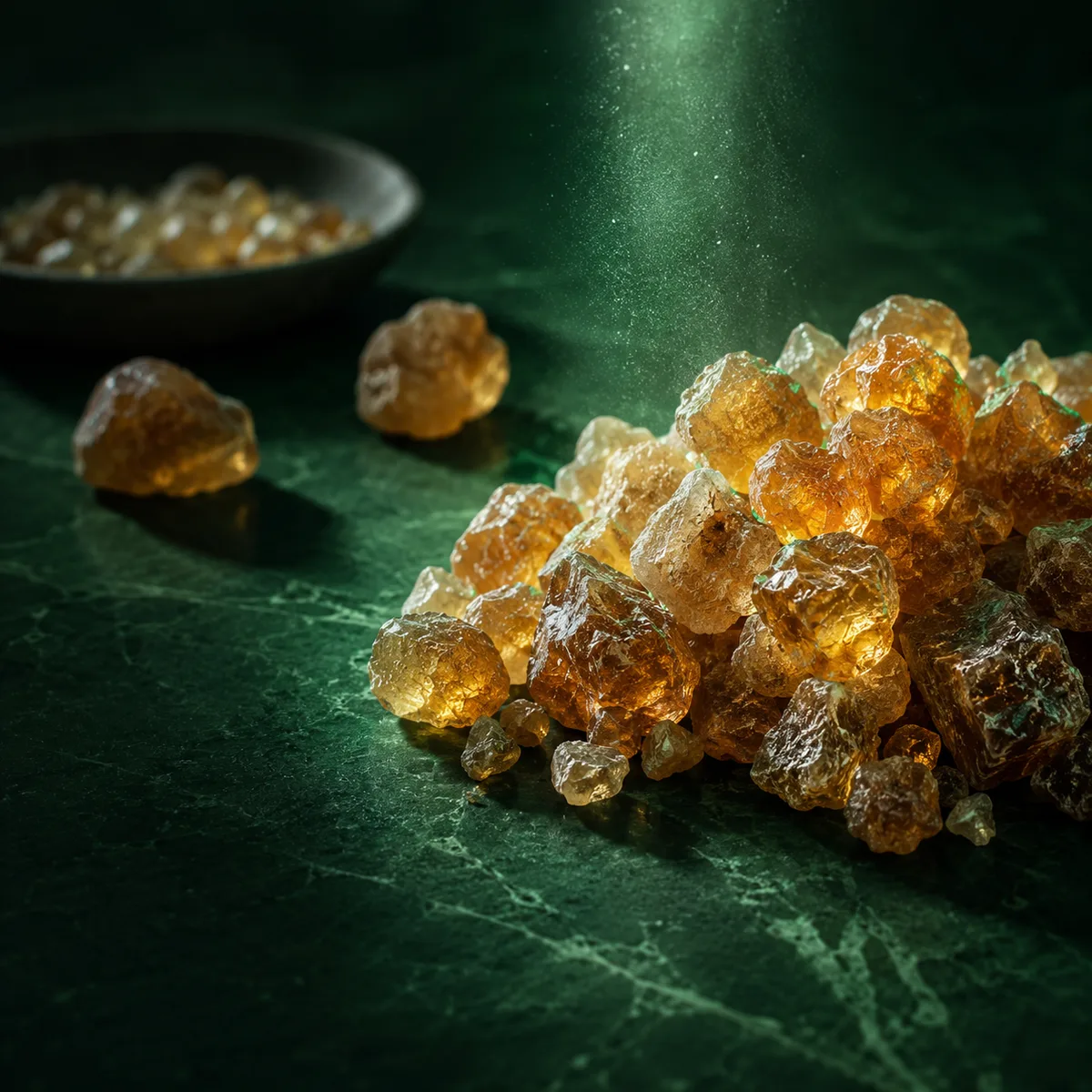
Aflatoxin is a toxin produced by certain moulds under the right temperature and humidity. It appears in peanuts, pistachios, dried figs and spices. It is tightly regulated on food safety grounds, and a lot testing above the limit can end in destruction or rejection at the destination.
It starts in the field and grows in store
Mould growth usually begins where post-harvest drying falls short. Product stored before moisture is brought down to a safe level surfaces the problem months later. Aflatoxin is therefore not only a laboratory matter — it is a supply chain management matter.
Why the sampling method decides the result
Aflatoxin does not distribute evenly through a lot. In a twenty-five tonne container the toxin may be concentrated in a narrow pocket of a few kilograms. A single random sample can miss that pocket entirely. International practice is therefore to draw many incremental samples from different points across the lot, combine them, mill them and homogenise before anything goes to the laboratory.
Why analysis before loading is essential
- If the result arrives at the destination port, your options narrow to destruction, rejection or a heavy discount.
- Analysis before loading takes a problem lot out of play before the container closes.
- The analysis report is frequently among the documents called for under a letter of credit.
On peanuts and similar risk-carrying products we have every lot analysed before loading and share the result with the buyer before shipment. This does not slow the process down; what slows it down is an unexpected result at the destination port.